











Echoes of Grief and Growing Up: Why Until Then is a Masterpiece of Filipino Storytelling
Reviews July 12, 2026 Neal Errol Bulawan 0
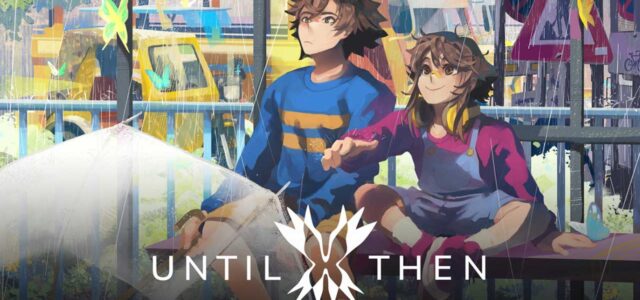
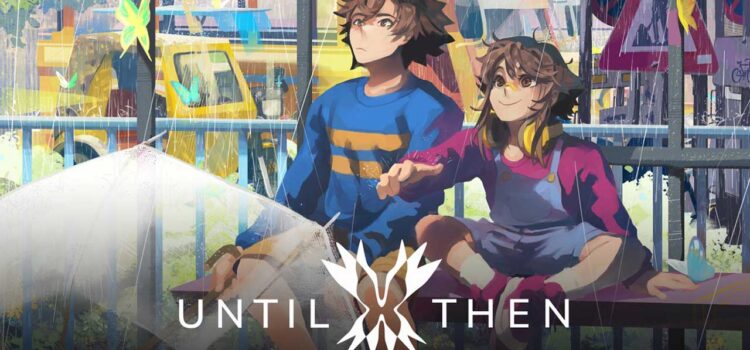
It’s always a treat to review actual video games, and Until Then is one of those games that hit us with something special. It is rare for a video game to capture the specific, bittersweet ache of growing up, but Until Then manages to do so while striking incredibly close to home. Developed by Philippine-based studio Polychroma Games, this narrative adventure wraps a deeply emotional sci-fi mystery inside a beautifully nostalgic, slice-of-life portrait of contemporary Filipino youth.
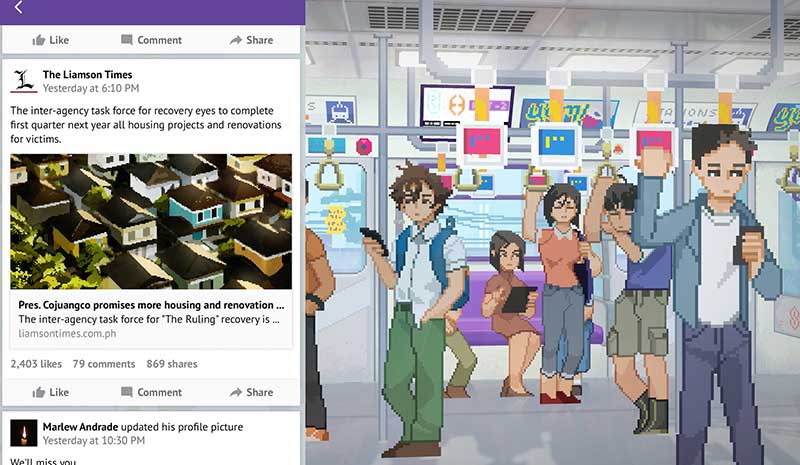
From the familiar clatter of train rides to the quiet anxieties of high school life, the game builds a world that feels immediately lived-in, only to gently unravel it through a gripping tale of grief, memory, and connection. For anyone who has ever looked back at their past and wondered how a single moment could alter the course of a lifetime, Until Then isn’t just a game you play; it’s an experience that lingers long after the credits roll.
The Relatable Story and Setting of Until Then
What makes Until Then feel incredibly natural and grounded is its authentic Philippine setting. It captures the essence of daily life for a Filipino teenager, a reality that resonates deeply with local players while offering a refreshing cultural perspective to global audiences. This is far from your average story-driven game.
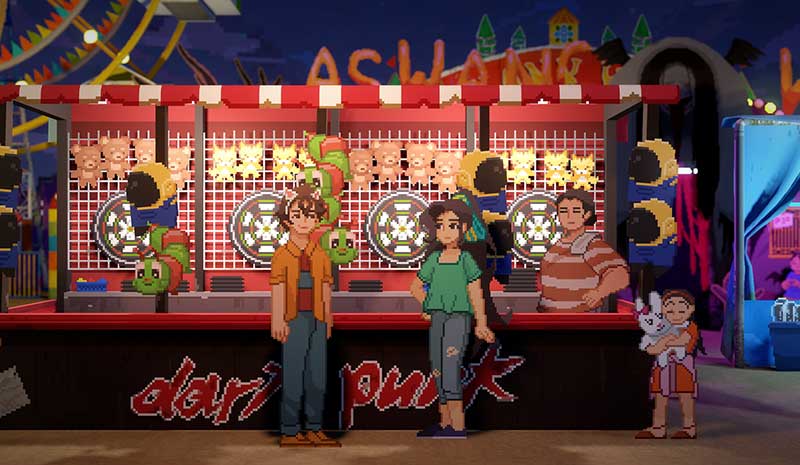
Even the minigames serve as interactive cultural touchstones rather than mere filler. Players can participate in everyday activities like tusok-tusok; spearing street food with a barbecue stick at a local cart. These minigames are well-crafted, engaging, and provide a welcome change of pace from reading the text.
Beneath its cozy exterior, however, the overarching story of Until Then grabs you by the heart. The narrative explores the intricate complexities of trauma, acceptance, and grief. It teaches players the difficult art of letting go and, most importantly, learning how to forgive themselves. What begins as a familiar high school drama gradually evolves into a gut-wrenching, profound exploration of deep-seated trauma.
Facing Loss: The Intertwined Stories of Mark and Nicole
The character arcs in Until Then deviate sharply from typical teenage tropes, trading superficial high school drama for a mature exploration of self-discovery and coping mechanisms.
Mark’s Journey with Escapism: Mark’s character embodies escapism. Trapped in denial, he runs away from the devastating loss of his mother. Before her passing, Mark harbored resentment and withheld his affection; now, he uses that lingering anger to avoid confronting his grief. Through his narrative arc, the game teaches us to stop running and instead learn how to live alongside our losses.
Nicole’s Desperate Search: Nicole takes a different, more desperate path. Consumed by the need to find Jake, she exhausts every avenue looking for him, refusing to accept the harsh reality that he is already gone. This frantic obsession drives a wedge between her and her friends, particularly Kate Corpuz, Jake’s sister.
Both characters utilize coping mechanisms that inadvertently damage their relationships with the people around them. Their interconnected stories serve as a powerful lesson for the player: moving on requires us to stop searching for impossible solutions, stop fleeing the pain, and ultimately find the grace to forgive ourselves.
Breaking the Cycle: Exploring the Until Then: Afterimages DLC
Building upon the emotional foundation of the main game, the new DLC, Until Then: Afterimages, serves as a direct continuation of the first act’s conclusion. But where the original game aims for the tear ducts, Afterimages targets the psyche, prompting deep reflection on personal growth and survival. The two acts included in this DLC are structurally and emotionally heavier than anything seen in the base game.
Sofia’s Act: Ending the Generational Cycle
Sofia’s narrative arc focuses on breaking cycles and letting go of the past. As her story progresses, players witness firsthand how a refusal to heal can completely paralyze a person’s future. Her experience teaches us that moving forward requires us to accept the pain our history has inflicted on us, rather than letting it dictate our next steps.
Mark’s Act: The Heavy Burden of “The Right Words”
If Sofia’s story feels heavy, Mark’s segment in the DLC hits with the force of a freight train. His narrative will feel intensely relatable to any college student balancing a chaotic academic life with demanding student organization activities.
From the very beginning, Mark’s story introduces a conversational minigame where players must click on “the right words” to navigate social interactions. Initially, it seems like a simple mechanic: the text boxes are small, nimble, and quick. However, as the emotional climax of his story approaches, the mechanic morphs drastically. The words grow massive, crowding the screen, visually representing the crushing weight of communication. It leaves you clutching your head, realizing the agonizing truth: sometimes, there are no right words.
Furthermore, Mark tackles the philosophy of personal transformation in a way that is both humorous and profoundly existential. He relates human change to a chair: even after we modify, repair, and alter ourselves to adapt to life, are we genuinely a different entity, or are we fundamentally the same?
Ultimately, Until Then and its Afterimages DLC prove that video games are uniquely capable of examining the heaviest corners of the human experience. By grounding its narrative in the painfully accurate realities of contemporary youth, Polychroma Games has created something that feels less like fiction and more like a mirror.
It is an indie masterpiece that forces us to confront our own escapism, our desperate cycles, and the messy, non-linear reality of grief. Long after you finish wrestling with the game’s impossible choices and philosophical questions, Until Then leaves you with a quiet, necessary truth: moving forward doesn’t mean forgetting the pain. It means finding the courage to forgive yourself and letting the cycle end.
You can play the game for yourself via Until Then’s Steam page.

Neal Errol Bulawan

No comments so far.
Be first to leave comment below.